Cloudy weather reduces—but doesn’t stop—solar power production. Panels can still capture diffuse light that filters through clouds, providing steady, though lower, charging when sunlight is limited. This makes portable solar useful beyond sunny days, supporting overcast camping trips, road travel, and emergencies. With clear expectations and practical knowledge, you can keep devices powered safely even in low light. In this article, we share how to make the most of solar energy when the sky isn’t clear.
1. Solar Panels Work in Cloudy Weather
They Generate Less Power But Don't Stop
Solar panels rely on light rather than heat, which means they continue working even when the sun is hidden. Thick cloud cover can reduce output significantly, sometimes to a fraction of peak capacity. However, panels rarely drop to zero unless conditions are extremely dark. This steady trickle of power can still top up small devices or maintain battery levels. Over several hours, even reduced charging can add meaningful energy to a power station. Patience and proper setup make cloudy-day charging more productive than it first appears.
High-Efficiency Panels Capture More Diffuse Light
Not all solar panels perform the same in low-light conditions. Higher-efficiency cells are better at converting scattered, indirect sunlight into usable electricity. This difference becomes noticeable during early mornings, late afternoons, and cloudy weather. Panels designed with advanced materials and improved cell structures often maintain more consistent output. Choosing efficient models can reduce charging time when sunlight is limited. Over the course of a trip, that extra efficiency adds up to more reliable power availability.
2. Maximize Your Charge in Low Light
Angle Panels Toward the Brightest Part of the Sky
Even on overcast days, some areas of the sky are brighter than others. Positioning panels toward the brightest patch improves light exposure and boosts performance. Slight tilting adjustments can increase output more than leaving panels flat on the ground. Raising panels off damp or shaded surfaces also prevents energy loss from indirect obstruction. Periodic repositioning throughout the day helps capture changing light conditions. Small adjustments often make a noticeable difference when sunlight is weak.
Use a Power Station to Store Energy Throughout the Day
Cloudy weather usually means slower but steady energy collection. A portable power station stores this energy gradually, preventing waste and making it available later. Instead of charging devices directly from panels, storing power first provides more stable output. This approach also allows devices to be charged indoors or at night. Even low charging rates can accumulate several hours’ worth of device use. Consistent storage turns scattered sunlight into dependable backup energy.
3. Set Realistic Charging Expectations
Phones and Small Batteries Can Charge Slowly
Small electronics are the most practical devices to charge on cloudy days. Smartphones, headlamps, and power banks require relatively little energy. While charging speeds may be slower than wall outlets, they remain manageable with patience. Keeping screens dim and closing unused apps reduces power draw during charging. Charging one device at a time also improves efficiency. Gradual top-ups throughout the day often work better than waiting for a single full charge.
Large Power Stations Will Charge Much More Slowly
Larger batteries require significantly more energy, which can be challenging under heavy cloud cover. Charging a big power station to full capacity may take much longer than expected. Partial charging, however, is still valuable for running essential items like lights or communication devices. Monitoring input wattage on the power station display helps track progress realistically. Planning for slower recharge times prevents unnecessary frustration. Even modest gains in battery level can be useful in extended off-grid situations.
4. Prepare and Conserve Power Wisely
Fully Charge Your Power Bank Before Your Trip
Preparation reduces reliance on uncertain weather conditions. Fully charging power stations and battery banks before departure provides a strong starting reserve. This stored energy can cover the first day or two of device use. Solar panels then act as a replenishment source rather than the only supply. Entering a trip with full batteries adds flexibility when skies stay cloudy. Good preparation lowers stress and improves overall reliability.
Limit Device Use to Save Battery
Energy conservation becomes especially important when charging is slow. Lowering screen brightness and turning off wireless features when not needed saves power. Using airplane mode in low-signal areas prevents unnecessary battery drain. Choosing energy-efficient lighting, such as LED lanterns, extends runtime significantly. Avoiding high-wattage appliances during cloudy periods preserves stored energy. Smart usage habits stretch every bit of collected solar power.
5. Choose the Right Gear for Reliability
Invest in Panels Rated for Low-Light Performance
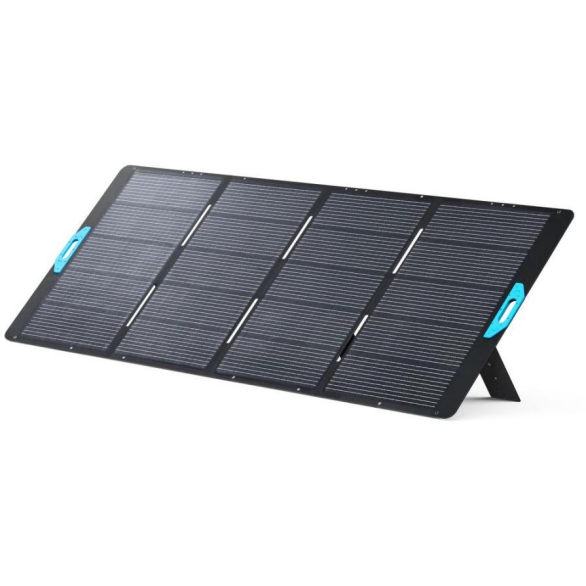
Panels built for strong performance in varied conditions offer more dependable charging during overcast weather. Some portable models, including Anker SOLIX camping solar panels, are designed with durable construction and efficient cells that continue producing useful power when sunlight is limited. Their conversion performance remains relatively stable in diffused light, which supports steady charging throughout gray days. This kind of reliability becomes valuable during multi-day trips with unpredictable weather. Matching panel capability to real-world conditions improves overall energy planning. Reliable equipment reduces the risk of running out of power when it matters most.
Bring a Backup Power Source for Critical Needs
Solar panels are dependable but still influenced by weather patterns. Carrying an additional charged battery or compact backup power bank adds an extra layer of security. This ensures essential devices like phones or navigation tools stay powered even during prolonged cloud cover. Backup sources do not need to be large to be effective. A small reserve can bridge the gap until better sunlight returns. Redundant power options improve safety and peace of mind outdoors.
Conclusion
Solar panels remain useful even when the sky is gray, though charging requires more time and planning. Understanding how diffuse light works helps set realistic expectations for energy production. Careful positioning, efficient storage, and thoughtful device use all improve results. Choosing equipment suited for low-light performance adds another layer of reliability. Preparation before departure further reduces dependence on perfect weather. With practical habits and the right tools, solar charging on cloudy days can still support essential power needs during travel and outdoor activities.