When choosing a portable power station, many people focus on the biggest numbers they see on the product page. However, runtime and output are two very different performance factors, and misunderstanding the difference can lead to disappointment in real-world use. A power station with high output isn’t always the one that runs the longest, and vice versa. To choose the right model for home backup, camping, or mobile work, it’s important to understand how runtime and output work together.
Understanding the Relationship Between Runtime and Output
Runtime and output are closely related, but they measure different aspects of a portable power station’s performance. Knowing how they interact helps you make smarter decisions.
Output Determines What You Can Power
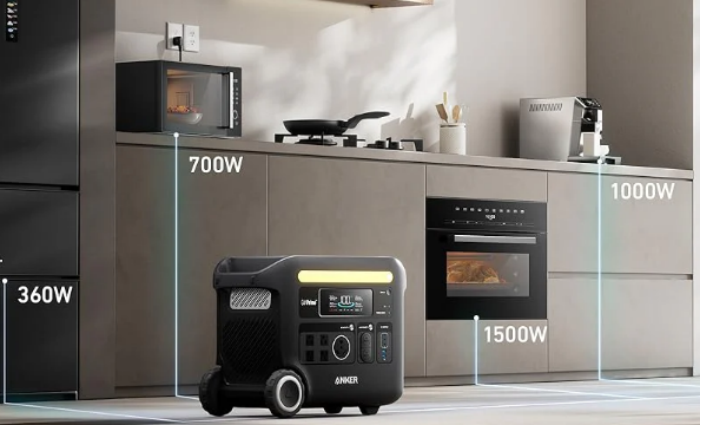
Output, measured in watts, tells you how much power the station can deliver at any given moment. Higher output means the station can run more demanding devices, such as refrigerators, power tools, or coffee makers. For example, many Anker SOLIX portable power stations are designed with high continuous and surge output, allowing them to handle both everyday electronics and appliances with startup loads. However, high output alone doesn’t guarantee long runtime.
Runtime Depends on Battery Capacity
Runtime is determined by battery capacity, usually measured in watt-hours (Wh) or kilowatt-hours (kWh). Capacity indicates how much energy is stored, not how fast it’s delivered. A large battery can support low-power devices for a long time, while a small battery running high-output loads will drain quickly. Understanding this distinction prevents unrealistic expectations about how long devices will stay powered.
High Output Shortens Runtime Faster
When you run high-wattage appliances, energy is consumed more quickly. Even a large-capacity power station can see its runtime drop significantly if it’s constantly delivering near its maximum output. This is why users powering heavy loads often need both high output and large battery capacity to achieve acceptable runtimes.
Efficiency Losses Matter
Power stations convert stored DC energy into AC power through an inverter, and this process isn’t 100% efficient. Higher output often leads to greater conversion losses, which slightly reduces usable energy. High-quality inverters, like those used in Anker SOLIX systems, help minimize these losses and deliver more usable runtime from the same battery capacity.
Surge Power vs Continuous Power
Some appliances require a brief surge of power to start. While this doesn’t usually consume much energy, frequent surges can impact runtime over time. Choosing a station with sufficient surge capability ensures smooth operation without unnecessary shutdowns or wasted energy.
Understanding Current Draw Helps Balance Loads
Some users prefer to think in terms of current instead of watts, especially when monitoring performance on a display or app. Current is often shown in amps units, which helps users understand how much electrical flow their devices are drawing at a given voltage. Monitoring this data makes it easier to reduce loads and extend runtime.
Charging While Using Changes the Equation
Portable power stations can often recharge while in use via solar panels or AC input. This means the runtime isn’t always limited to stored energy alone. With sufficient solar input, essential loads can run much longer, especially during daylight hours. Balancing output with charging input is key to maximizing uptime.
Smart Monitoring Improves Real-World Performance
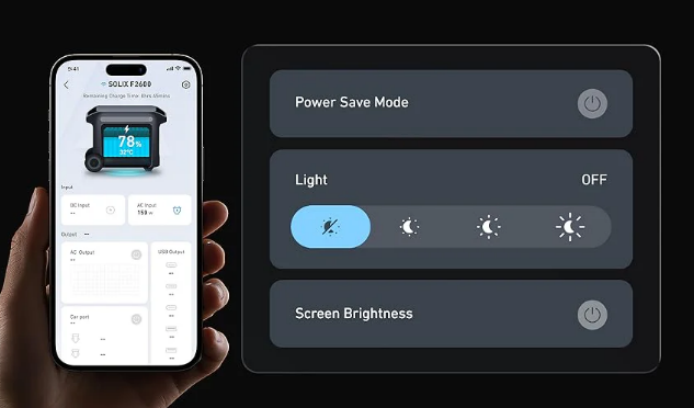
Many modern power stations include app-based monitoring that shows output, remaining capacity, and estimated runtime. These tools often display real-time current in amps units, helping users fine-tune which devices are connected and avoid unnecessary drain.
Conclusion
Runtime and output are two sides of the same performance equation, and understanding their relationship is essential when choosing a portable power station. Output determines what you can power, while runtime depends on how much energy is stored and how efficiently it’s used. High output enables versatility, but it must be paired with sufficient battery capacity for meaningful runtime. With well-balanced designs like Anker SOLIX portable power stations, users can enjoy both strong output and predictable runtime, making portable power more reliable and easier to plan for.