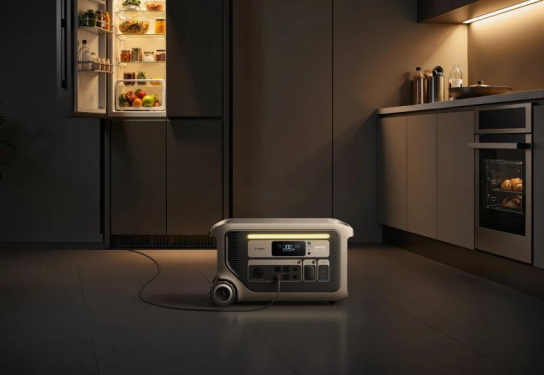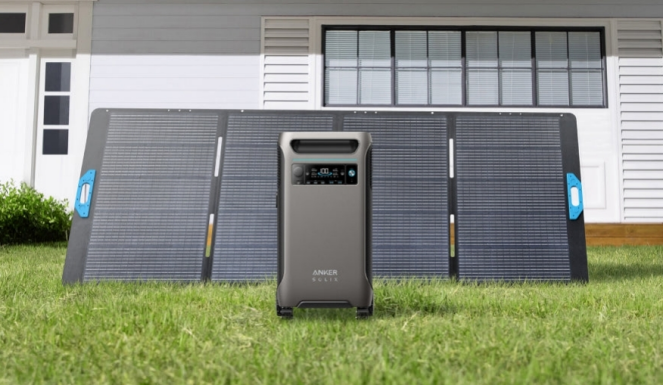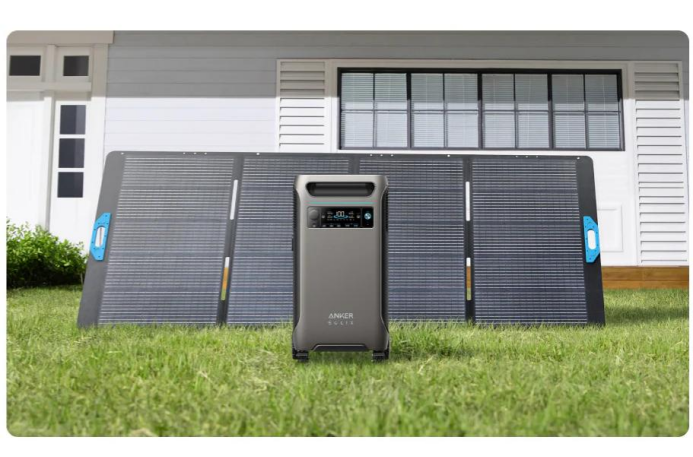
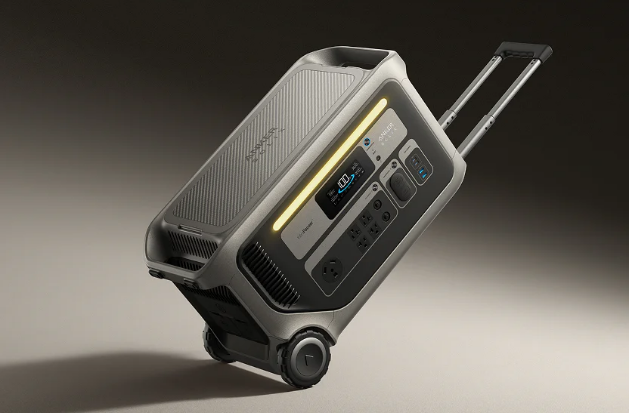
Solar battery banks perform well when conditions support strong charging and stable output, but several real-world factors influence how efficiently stored sunlight becomes usable power. These factors range from environmental variables—temperature, shading, and panel placement—to operational behaviors such as load patterns and recharging cycles. Understanding them helps users make informed decisions and maintain consistent backup readiness. With advanced features like low idle draw, fast dual-voltage solar charging, and strong pass-through capability, the Anker SOLIX F3000 paired with a 400W portable solar panel demonstrates how modern engineering minimizes efficiency losses. The more users understand these variables, the more effectively they can rely on stored sunlight for daily and emergency use.
Environmental and Technical Factors That Reduce Efficiency
Temperature Extremes Influence Battery Performance Significantly
Battery chemistry responds directly to environmental temperature. Extremely cold weather slows chemical reactions and reduces immediate discharge capacity, while high heat increases internal resistance and lowers long-term efficiency. Even though high-quality systems handle a wide temperature range—such as the F3000’s −4°F to 104°F discharge tolerance—users still see variations in performance when environmental conditions shift. In cold areas, a bank may appear to drain faster because battery cells cannot release energy as quickly. In hot climates, heat stress may reduce the efficiency of both charging and output. Understanding temperature impact helps users place their system in shaded, insulated, or ventilated areas to maintain more consistent performance.
Suboptimal Solar Panel Positioning Reduces Charging Speed
Solar panels generate electricity most efficiently when sunlight strikes them directly at optimal angles. Shading from trees, fences, or nearby buildings significantly reduces output, as does positioning panels too flat or too steep relative to the sun’s path. Dust, debris, or snow accumulation also diminishes charging efficiency. Even highly efficient panels—like the 400W portable option paired with the F3000—experience losses when alignment is poor. Users often underestimate how much small shadows or incorrect angles affect charging. By adjusting panel tilt, cleaning the surface, and ensuring consistent sunlight exposure, households can recover a large amount of lost efficiency and maintain faster energy replenishment.
Voltage Losses Occur When Solar Input Does Not Match System Requirements
The solar power bank will rely on consistent voltage and current levels to charge efficiently. When solar panels produce energy outside the optimal voltage range due to shading, cloud cover, or mismatched array configurations, charging slows or becomes intermittent. Dual-voltage solar input—like the F3000’s 60V and 165V support—helps minimize these issues by accepting a broader range of conditions. However, wiring length, cable quality, and connector resistance still influence performance. Poor-quality cables or excessively long panel runs increase voltage drop, reducing efficiency before energy even reaches the battery. Understanding these technical losses helps users design more effective solar setups.
User Habits and Load Patterns That Affect Battery Efficiency
Running High-Demand Appliances Continuously Reduces Stored Energy More Quickly
Some users assume that efficiency only depends on charging conditions, but discharge behavior plays an equal role. Running high-wattage appliances for long periods—air conditioners, space heaters, power tools, or electric stoves—reduces available energy rapidly, even with a large-capacity bank. Power surges at startup strain the system further. The F3000’s 3,600W pass-through capability helps manage these high loads safely, but users still benefit from managing load patterns strategically. Shifting heavy usage to daylight hours or distributing appliance use across time prevents unnecessary strain and preserves battery efficiency for essential tasks. Effective load planning significantly improves perceived and actual storage performance.
Deep Discharging and Frequent Full Cycles Reduce Long-Term Efficiency
Although modern storage systems are built to handle thousands of cycles, deep discharging (taking the battery to near-zero repeatedly) can reduce overall efficiency over the years of use. Regularly cycling between moderate charge levels—such as 20% to 80%—helps maintain long-term capacity. The F3000’s smart energy optimization features support this by distributing solar and grid input strategically. Users who engage with these tools extend their system’s efficiency and lifespan without needing complex manual monitoring. Efficiency remains highest when the system avoids aggressive cycling and maintains steady charge habits.
Idle Power Losses Accumulate When Systems Remain Active Without Purpose
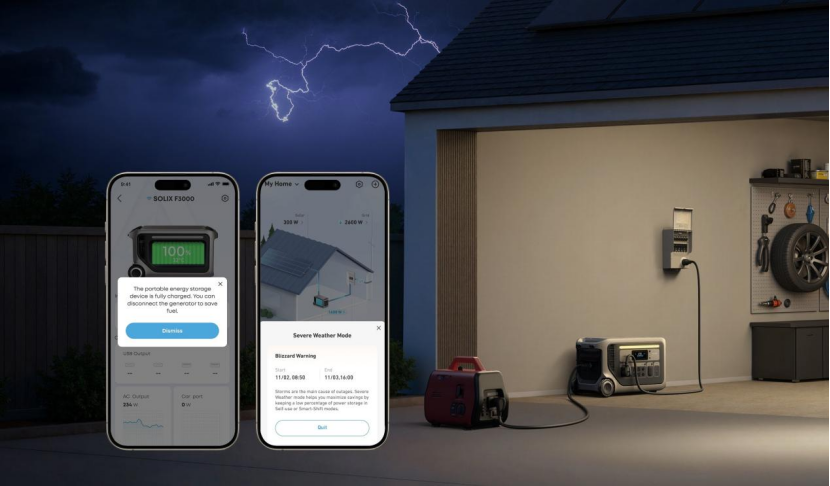
Many battery banks slowly lose energy while idle due to internal processors, cooling mechanisms, and standby systems. High idle consumption can significantly reduce usable energy across days of storage. The F3000 addresses this with ultra-low idle draw, enabling up to five days of AC standby without major losses. Still, users who leave many devices plugged in unnecessarily or frequently activate power-hungry ports experience more rapid drain. Understanding standby behavior prevents inefficient energy use and helps households maintain reliable reserves—particularly during long outages when conservation matters.
Conclusion
Solar battery bank efficiency depends on a mix of environmental conditions, technical setup choices, and user habits. Temperature swings alter chemical performance, poor panel placement reduces charging potential, and voltage losses limit solar input. Household behaviors—running heavy appliances continuously, deep cycling batteries, or overlooking idle losses—also affect how long stored energy lasts. A system like the Anker SOLIX F3000 paired with a 400W portable solar panel addresses many of these challenges through fast dual-voltage charging, ultra-low idle consumption, flexible capacity, and stable pass-through power. When users understand the factors that influence efficiency, they gain more predictable control over their stored energy. With this insight, a modern solar power bank becomes a highly dependable tool for daily use, emergency readiness, and long-term energy planning.