Rising utility bills have become a common concern for households across the country, even when daily routines remain largely unchanged. Many families are unaware of small, persistent habits that quietly add up to hundreds of dollars each year. From idle electronics to inefficient water usage, seemingly minor inefficiencies can create surprisingly high energy and water costs. Fortunately, these issues are often predictable and manageable once properly identified. By combining behavioral adjustments with practical technologies, households can achieve meaningful savings without sacrificing comfort. In this article, seven effective ways to cut your utility bills are explored with practical guidance for everyday life.
1. Kill Phantom Loads
Unplug idle electronics
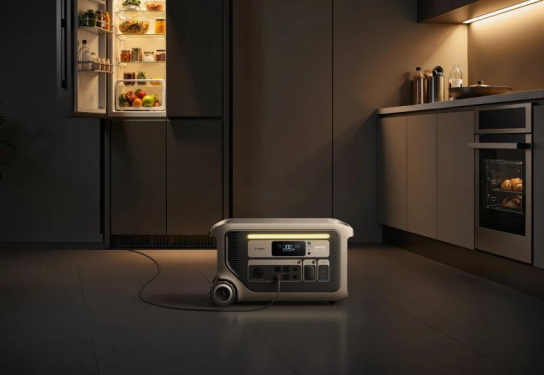
Many modern devices continue to draw power even when turned off. Televisions, gaming consoles, and kitchen appliances often remain in standby mode, consuming electricity silently. This hidden usage, known as phantom load, can account for a surprisingly large portion of monthly energy bills. Unplugging devices or using switched outlets ensures that energy is only consumed when necessary. Over time, small actions like this accumulate into noticeable savings. Awareness of phantom loads encourages more mindful management of household electronics.
Use smart power strips
Smart power strips offer a convenient method to manage multiple devices simultaneously. They detect inactivity and cut off electricity to idle electronics automatically. For households with many gadgets, this solution reduces manual unplugging and prevents unnecessary energy waste. Some models allow scheduling, enabling devices to receive power only during certain hours. Integration with home routines ensures energy savings without compromising convenience. Proper placement and use of smart strips optimize both cost and efficiency.
2. Shift to Off-Peak Hours
Electricity rates often vary depending on the time of day. Peak hours, usually in the afternoon and early evening, are more expensive due to higher demand. Running appliances such as washing machines, dishwashers, or air conditioners during off-peak periods can significantly reduce energy costs. Timers, programmable settings, and conscious scheduling allow households to align usage with cheaper rate periods. Even small changes in timing make a measurable difference over months. Consistently shifting heavy usage to off-peak hours combines convenience with savings.
3. Add Solar Power
Capture and use sunlight efficiently
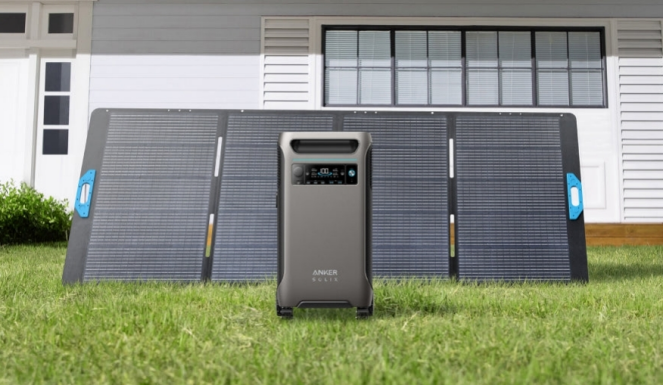
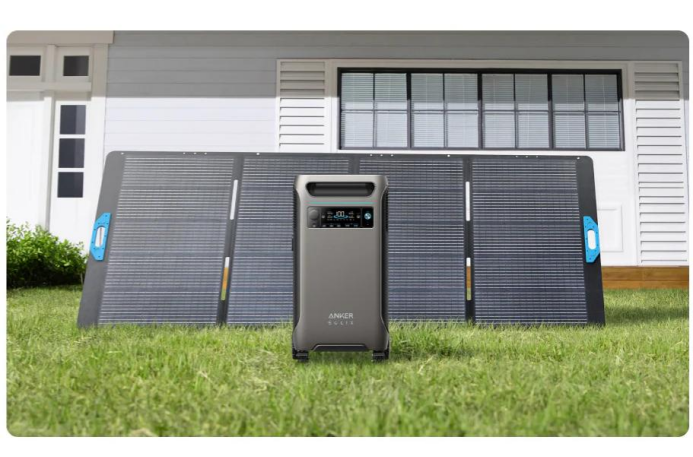
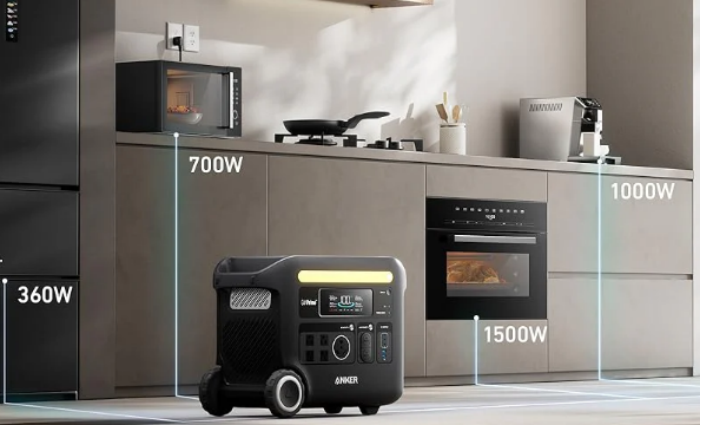
Adding solar power can transform energy consumption and costs for any home. Solar generators combine panels with portable power stations to store and deliver electricity whenever needed. Devices like laptops, lighting, and small appliances can operate from stored energy, reducing reliance on grid electricity. A solar generator for home use, such as the Anker SOLIX solar generator, provides reliable output while remaining flexible for both daily use and backup scenarios. Modern units offer expandable storage and app-based control for ease of use. Integration of solar power into daily routines allows households to cut costs while maintaining convenience.

Maximize energy independence
By storing excess solar energy during daylight hours, homes can avoid purchasing electricity at higher rates in the evening. The combination of solar generation and battery storage increases self-sufficiency and provides resilience during outages. Even moderate-sized systems reduce monthly bills and improve long-term energy planning. Solar generators simplify implementation without complex installations or wiring changes. Practical applications, from powering home office equipment to running small appliances, highlight their versatility. Over time, these systems support both financial and environmental goals.
4. Seal Air Leaks
Weatherstrip doors and windows
Unsealed gaps in doors and windows allow conditioned air to escape, forcing heating or cooling systems to work harder. Applying weatherstripping or caulking helps maintain consistent indoor temperatures. Small improvements in sealing significantly enhance energy efficiency. Proper maintenance of seals ensures ongoing savings throughout the year. These steps require minimal effort yet produce substantial reductions in heating and cooling costs. Attention to detail in common leak points maximizes efficiency gains.
Add attic insulation
Attic insulation plays a critical role in maintaining temperature stability. Proper insulation prevents heat transfer, reducing the workload on HVAC systems. Over time, this lowers both energy consumption and utility bills. Upgrading insulation offers a long-term, passive solution that complements other efficiency measures. Even modest improvements contribute to noticeable savings and increased comfort. Maintaining insulation quality ensures consistent performance across seasons.
5. Upgrade to Efficient Lighting
Replace bulbs with LEDs
Switching to LED bulbs dramatically reduces energy consumption compared to incandescent or halogen lighting. LEDs offer the same brightness using a fraction of the power. Long lifespan and low heat output further improve overall efficiency. Strategic replacement in high-use areas maximizes savings. Even small households can observe meaningful reductions in electricity bills. Adoption of LED technology is a straightforward, cost-effective improvement.
Use motion sensors and timers
Motion sensors and timers prevent lights from being left on unnecessarily. Common in hallways, bathrooms, and outdoor areas, these devices automatically control lighting. Reduced runtime decreases energy usage and prolongs bulb lifespan. Integration into daily routines requires minimal behavior change. Over weeks and months, cumulative savings become tangible. Smart lighting ensures convenience while supporting energy reduction goals.
6. Cut Water Waste
Install low-flow fixtures
Low-flow showerheads, faucets, and toilets reduce water usage without compromising functionality. Even modest reductions in flow rate save significant water over time. Energy required to heat water also decreases, yielding additional utility savings. Installation is often inexpensive and straightforward, making it accessible to most households. Properly selected fixtures maintain comfort while enhancing efficiency. Combined with other measures, water conservation substantially lowers bills.
Fix drips and run full loads only
Leaky faucets and partially filled appliances contribute to avoidable water and energy waste. Addressing drips and waiting for full washing machine or dishwasher loads improves efficiency. Small adjustments compound to noticeable reductions in consumption. Awareness of daily water habits ensures ongoing conservation. Energy associated with water heating is directly impacted, amplifying savings. Regular maintenance prevents unnecessary expenses over time.
7. Maintain HVAC Systems
Routine HVAC maintenance keeps systems operating efficiently. Replacing filters, cleaning coils, and scheduling professional inspections prevent energy waste. Well-maintained units use less electricity while providing consistent comfort. Preventative care extends equipment lifespan and reduces repair costs. Households benefit from both immediate savings and long-term reliability. Energy-efficient operation complements other utility-saving measures.
Conclusion
Cutting utility bills involves both behavioral adjustments and strategic investments. From eliminating phantom loads and shifting usage to off-peak hours, to sealing leaks and upgrading appliances, small steps create meaningful impact. Incorporating solar power with a solar generator for home use adds flexibility, independence, and financial relief. Together, these measures optimize energy and water consumption without compromising daily convenience. Households gain both savings and resilience while fostering sustainable practices. Informed, practical actions empower families to reduce costs and improve efficiency year-round.